

Published October 8, 2024
Preparing for a Hurricane: Essential Steps to Keep You and Your Home Safe

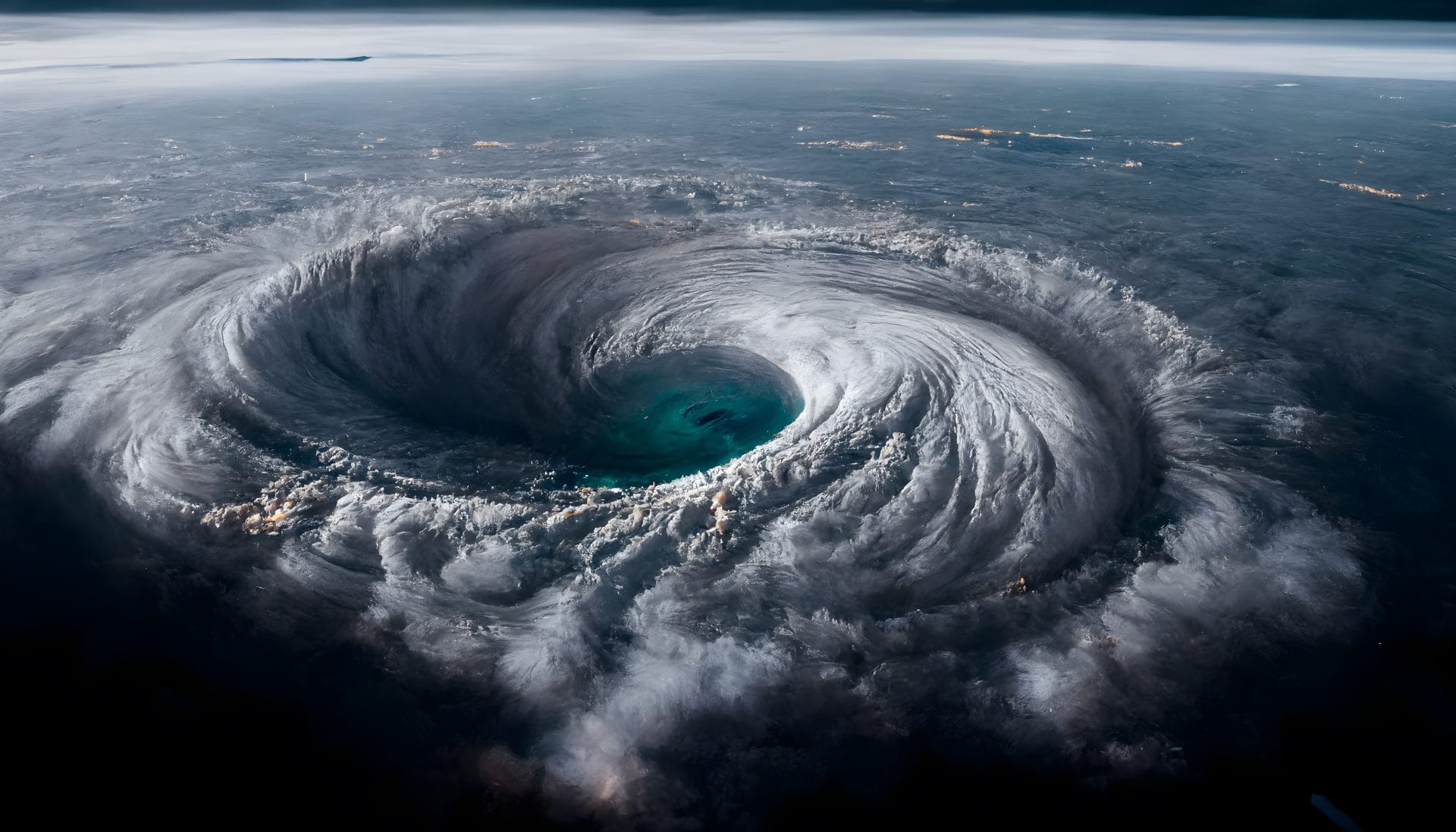
Preparing for a Hurricane: Essential Steps to Keep You and Your Home Safe
Hurricane season can be unpredictable and dangerous, but proper preparation can make all the difference. Whether you’re a long-time resident of a coastal region or new to an area prone to hurricanes, taking proactive steps before a storm hits can protect your home, your family, and your peace of mind.
Here’s a comprehensive guide on how to prepare for a hurricane, covering essential steps for safeguarding both yourself and your property.
1. Stay Informed and Have a Plan
The first step in hurricane preparation is staying informed about potential storms. During hurricane season, keep an eye on weather forecasts and alerts from reliable sources like the National Hurricane Center (NHC). Sign up for local emergency alerts so you’re aware of potential evacuation orders or severe weather warnings in real time.
Create a Family Emergency Plan:
- Designate a meeting place in case of evacuation.
- Establish communication methods in case phone lines go down.
- Map out multiple evacuation routes from your home.
- Have an out-of-area contact person for everyone to check in with.
2. Build an Emergency Kit
An emergency kit is vital to have on hand when a hurricane is approaching. Your kit should include supplies for each family member to last at least 72 hours. Here’s what you’ll need:
- Water (one gallon per person per day for at least three days)
- Non-perishable food (such as canned goods, energy bars, and dried fruits)
- Flashlights and extra batteries
- First-aid kit with necessary medications
- Portable chargers for cell phones
- Manual can opener
- Important documents (insurance papers, ID, etc.) stored in a waterproof container
- Cash in case ATMs and card machines are down
- Personal hygiene items, blankets, and clothing
- Battery-powered weather radio
3. Prepare Your Home
Hurricanes bring strong winds, rain, and storm surges that can cause significant damage. Preparing your home in advance is key to minimizing the risks.
Secure Windows and Doors:
- Install storm shutters if possible. If not, board up windows with plywood to prevent breakage from flying debris.
- Ensure all exterior doors are strong and have secure deadbolts.
- Consider reinforcing garage doors, as they are often the weakest point in the home.
Clear Yard and Gutters:
- Bring in outdoor furniture, potted plants, and other items that could become projectiles in high winds.
- Trim trees and bushes to remove weak branches.
- Clean gutters and downspouts to ensure proper drainage and reduce the risk of flooding.
Check the Roof:
- Ensure your roof is in good condition, with no loose shingles or tiles that could come off during strong winds.
- Consider adding roof straps or clips to secure the roof to the frame of the house for additional protection.
4. Review Your Insurance Coverage
Before a hurricane strikes, review your homeowner’s insurance policy. Standard policies typically do not cover flood damage, which is common during hurricanes. You may need to purchase separate flood insurance to fully protect your home.
Key Insurance Considerations:
- Ensure you have adequate coverage for wind damage.
- Document your possessions by taking photos or videos for insurance claims.
- Keep a copy of your insurance policy in your emergency kit and save digital copies in a cloud storage service.
5. Know When to Evacuate
If local officials issue an evacuation order, it’s essential to leave as soon as possible. Evacuation orders are not given lightly and are based on the severity of the storm and potential danger to life and property.
Evacuation Tips:
- Pack your emergency kit and a few days’ worth of clothing.
- Bring important documents, medications, and any pet supplies if you have animals.
- Follow your pre-mapped evacuation routes to avoid congested roads.
- Let someone outside the storm zone know where you are going.
6. Protect Pets and Loved Ones
Don’t forget your pets in your hurricane preparations! Make sure to have a pet emergency kit that includes food, water, a leash, and any necessary medications. If you need to evacuate, identify pet-friendly shelters or hotels in advance.
If you have elderly family members or neighbors, check in with them before a storm hits to ensure they have a plan and the necessary supplies.
7. After the Storm: Assess and Recover Safely
Once the hurricane has passed, safety is still a priority. Only return to your home if authorities say it’s safe. When assessing damage, be cautious of downed power lines, flooding, or other hazardous conditions.
Post-Storm Tips:
- Wear protective gear when cleaning up debris.
- Avoid flooded areas, as they may be contaminated or conceal dangerous hazards.
- Contact your insurance provider as soon as possible to report any damage.
By preparing for a hurricane well in advance, you can protect yourself, your family, and your property. While the intensity of storms varies, taking these steps will help minimize risk and give you peace of mind during hurricane season.